
Key Takeaways
- Local zoning regulations can significantly impact the feasibility and design of ADU projects, so understanding these rules is crucial for success.
- Engaging with community stakeholders early in the planning process can help navigate zoning challenges and gain support for ADU developments.
- Adapting your ADU design to fit the existing neighborhood character can enhance local approval chances and community acceptance.
- Implementing green building practices in ADUs can reduce environmental impact, potentially earning incentives or tax breaks from local governments.
- Prioritizing access to essential services, such as utilities and parking, can address zoning concerns and improve the overall livability of ADU communities.
- Collaborating with local architects and builders familiar with zoning requirements can streamline the approval process and result in higher-quality ADU constructions.
- Focusing on the long-term benefits of ADUs, like increased housing affordability and reduced urban sprawl, can help convince zoning boards of their positive impact.
The environmental impact of ADU (Accessory Dwelling Unit) development, from a zoning perspective, can be mitigated through strategic planning. By allowing for more compact, efficient housing, ADUs reduce urban sprawl, preserving green spaces. This approach aligns with sustainable development goals, promoting walkability and reducing the carbon footprint associated with transportation. Local zoning boards can encourage energy-efficient construction practices, further minimizing environmental effects.
In today's rapidly growing [city], affordable housing is a top priority, and Accessory Dwelling Units (ADUs) offer a promising solution. As a local business focused on sustainable development, we're witnessing the positive impact ADUs have on our community. From increasing housing stock to promoting environmental sustainability, ADU zoning review questions are at the forefront of our work.
We help homeowners navigate the complex process of adding an ADU, ensuring compliance with local zoning regulations. By understanding the specific zoning codes and requirements, we guide clients through the approval process, often with unexpected benefits. Our expertise lies in leveraging ADUs to create vibrant, inclusive communities while minimizing environmental footprints.
Join us as we explore strategies tailored to our unique [city] landscape, ensuring a harmonious blend of growth and green spaces.
- Understanding ADU Zoning: Navigating Regulations for Sustainable Growth
- Community Benefits: How ADUs Foster Local Economy and Housing Affordability
- Environmental Impact: Sustainable Building Practices for ADU Development
- Zoning Board Insights: Approving ADUs That Respect Community Character
- Local Business Collaboration: Partnering for Efficient ADU Construction
- Energy-Efficient ADUs: Reducing Carbon Footprint in Our Neighborhoods
- ADU Design Considerations: Enhancing Community Aesthetics and Functionality
Understanding ADU Zoning: Navigating Regulations for Sustainable Growth

As a local expert in the field, navigating the complex web of adu zoning legal risks and protections is a key aspect of sustainable growth in our community. The environmental impact of ADU development is a topic that garners increasing interest, especially in dense urban areas where affordable housing is in high demand. Let's explore the local perspective on adu zoning review questions and how they shape our community.
Our city's zoning regulations play a pivotal role in determining the feasibility and environmental footprint of ADU projects. While adus offer a promising solution to the affordable housing crisis, the zoning process can be fraught with unexpected changes and complexities. Local experts and zoning service providers serve as invaluable guides, ensuring that developers and homeowners alike understand the legal framework and potential risks. By carefully reviewing each project, these professionals help to mitigate issues and ensure compliance, protecting both the community and the developers' investments.
This growth has been met with enthusiasm from the rental market, demonstrating the positive impact on our community. However, it's crucial to weigh the pros and cons of adu zoning in dense areas, such as increased traffic and potential strain on local services. Through strategic planning and community engagement, these challenges can be mitigated, fostering a more sustainable and inclusive environment. Expert guidance encourages developers to embrace environmentally conscious practices, ensuring that new ADUs contribute positively to our urban landscape.
Community Benefits: How ADUs Foster Local Economy and Housing Affordability

In our vibrant community, Affordable Detached Units (ADUs) have emerged as a critical component of our housing solution, fostering both economic growth and affordability. The environmental impact of ADU development, often overlooked, is a key aspect that contributes to our community's long-term sustainability. When considering the construction of an ADU, understanding the local zoning regulations, particularly for historic homes, is paramount. The process begins with a thorough adu zoning review questions assessment, ensuring compliance with current requirements. This step is crucial to avoid unexpected changes during construction, which can delay projects and increase costs.
One of the significant community benefits of ADU development is its positive effect on the local economy. Construction projects of this scale create employment opportunities for local contractors, plumbers, and suppliers, boosting the local workforce. The increased housing stock provides a much-needed option for renters, stabilizing or even reducing rental rates. In our area, the demand for rental units has been steadily rising, and ADUs offer a practical solution to this challenge. By carefully planning and navigating adu zoning services reviews, developers can ensure their projects align with zoning laws, resulting in a smoother development process and a happier, more affordable community for all.
Local authorities play a vital role in guiding this process through their zoning approval mechanisms. Experts recommend engaging with local experts who understand the nuances of adu zoning laws, especially in historic districts. These professionals can provide expert guidance, ensuring that ADU projects not only comply with regulations but also enhance the community's character. Careful design choices can preserve the architectural integrity of historic homes while incorporating modern, energy-efficient features, promoting environmental sustainability. By embracing ADU development with a thoughtful, compliant approach, our community can look forward to a brighter, more inclusive future.
Environmental Impact: Sustainable Building Practices for ADU Development

In the vibrant community we call home, the development of Accessible Housing Units (ADUs) is a growing trend, but it raises important adu zoning review questions, particularly regarding our environmental footprint. As we embrace sustainable living, it's crucial to explore how ADU development can integrate eco-friendly practices while navigating local zoning regulations. The good news is that by engaging experienced adu zoning lawyers and top-rated experts, our community can foster growth that benefits both residents and the environment.
One of the key considerations is the adoption of sustainable building practices. Local experts emphasize the importance of energy-efficient design, materials sourcing, and waste management strategies. Utilizing locally sourced, recycled materials can reduce the carbon footprint of construction, aligning with our community's commitment to environmental sustainability. Many ADU projects in our area have successfully implemented solar panels, smart insulation, and water-saving fixtures, showcasing that eco-conscious development is both feasible and desirable. Engaging with these innovative practices not only contributes to a greener future but can also lower operating costs for ADU owners.
Our community's rental market matters in the ADU conversation. Zoning regulations must consider the impact on affordable housing, ensuring that ADUs complement, not hinder, our efforts to provide accessible and sustainable housing options. By working closely with local authorities and leveraging the expertise of adu zoning lawyers, we can create guidelines that promote responsible development while addressing zoning approval concerns. A prime example is the recent collaboration between local developers and community groups to create a mixed-use ADU project, integrating accessible housing with retail spaces, and setting a precedent for future, environmentally conscious developments.
To ensure a harmonious blend of growth and environmental stewardship, it's essential to have a robust understanding of adu zoning laws, especially when considering changes to existing properties. Engaging with top-rated adu zoning experts can provide invaluable guidance, ensuring that projects adhere to local regulations while maximizing sustainability. Our community's commitment to accessible housing laws is not just about meeting regulatory requirements; it's about creating a vibrant, inclusive, and eco-friendly environment for generations to come.
Zoning Board Insights: Approving ADUs That Respect Community Character

The Zoning Board in our community plays a pivotal role in shaping the local landscape, particularly for Affordable Housing and the development of Additional Dwelling Units (ADUs). When considering ADU zoning for investors or historic homes, understanding the zoning review process is essential for a successful project. The board's primary concern is ensuring that new constructions, including ADUs, align with the community's character and existing zoning codes.
ADU zoning for historic homes requires a delicate balance. Our city's rich architectural heritage means many properties fall under specific historic districts' regulations. Zoning experts advise that potential developers carefully study these guidelines, ensuring their ADU designs complement the surrounding structures. In the Old Town neighborhood, the zoning board has approved ADU conversions in Victorian homes, preserving the area's unique character while increasing affordable housing options. This approach demonstrates how thoughtful ADU zoning can enhance the local rental market while respecting the community's investment strategies.
The zoning approval process involves several key steps. First, applicants must familiarize themselves with local zoning regulations, which can be accessed through the city's website. This includes understanding the permitted uses, set-backs, and density requirements for their specific area. An ADU zoning cost breakdown may include application fees, architectural plans, and potential impact assessments. For historic homes, there might be additional costs for historical preservation consultants. While these costs vary, being prepared for potential expenses is crucial for a smooth process. Many successful ADU projects attribute their success to seeking expert guidance early on, which can help navigate unexpected changes during the zoning review.
Local authorities encourage open communication between developers and the zoning board. Regular meetings and consultations can provide valuable insights into community concerns and expectations. By engaging with the board, developers can ensure their proposals are in line with the neighborhood's desires, fostering a positive relationship. This collaborative approach not only streamlines the zoning review process but also results in more aesthetically pleasing and socially cohesive developments.
Local Business Collaboration: Partnering for Efficient ADU Construction

In our community, the rise of Affordable Housing initiatives has sparked a growing interest in Accessory Dwellings Units (ADUs) as a sustainable and cost-effective solution to the housing crisis. However, navigating the complexities of adu zoning review questions can be a significant barrier for local businesses and homeowners alike. To streamline this process, local collaboration between top-rated adu zoning experts and service providers is proving to be a major improvement.
By partnering, these experts are not only sharing their deep knowledge of ADU zoning laws but also pooling resources to offer comprehensive support. A local collaboration between an architect specializing in tiny home design and a licensed contractor experienced in ADU construction has led to a significant increase in efficient and compliant builds. This joint venture allows them to offer a one-stop-shop service, addressing everything from initial design and zoning review to final permits and construction. According to local market data, most installations take one to two days, significantly reducing unexpected changes and delays.
The benefits of such partnerships extend beyond efficient construction. By working together, these businesses can also help homeowners navigate the often confusing and time-consuming process of obtaining zoning permits. This collaboration ensures that projects adhere to local zoning regulations, avoiding potential legal issues down the line. By combining expertise, they can offer tailored solutions, such as optimizing floor plans to accommodate specific zoning requirements and ensuring environmental sustainability, which is a growing concern for many in our community.
When considering the adu zoning cost breakdown, these partnerships can provide significant savings. By combining resources and knowledge, they can offer competitive pricing and innovative financing options. Some providers are now offering bundled packages that include design, zoning review, and construction, making the entire process more accessible and affordable. This collaborative approach not only benefits individual homeowners but also contributes to the overall growth and vibrancy of our community, ensuring that ADUs are not just a trend but a sustainable solution to our housing needs.
Energy-Efficient ADUs: Reducing Carbon Footprint in Our Neighborhoods

In our community, the growing trend of Affordable Housing initiatives has brought a fresh focus on the environmental impact of ADU (Accessory Dwelling Unit) development. As local authorities navigate changing ADU zoning regulations, residents are increasingly aware of the potential for these smaller, energy-efficient units to reduce our collective carbon footprint. The key lies in understanding how these structures, when properly planned and permitted, can contribute to a more sustainable future.
Professional ADU zoning permit assistance is a valuable asset for both developers and homeowners. By enlisting experts who stay up-to-date with current requirements, you can ensure your project complies with local zoning laws, which often include specific guidelines for energy efficiency. Many neighborhoods are now encouraging the use of solar panels and energy-efficient appliances in ADUs, promoting self-sufficiency and lowering utility costs. This shift not only benefits the environment but also stimulates local investment and job creation in the construction and renewable energy sectors.
One successful community example is the recent conversion of an old warehouse into several ADUs, featuring rainwater harvesting systems and a shared community garden. This project not only added much-needed housing but also served as a model for environmentally conscious design. Local zoning boards are now considering how to better integrate such innovative developments into the fabric of our neighborhoods. As ADU zoning regulations continue to evolve, staying informed and collaborating with professionals can ensure that our communities remain vibrant, sustainable, and in line with our city's environmental goals.
ADU Design Considerations: Enhancing Community Aesthetics and Functionality
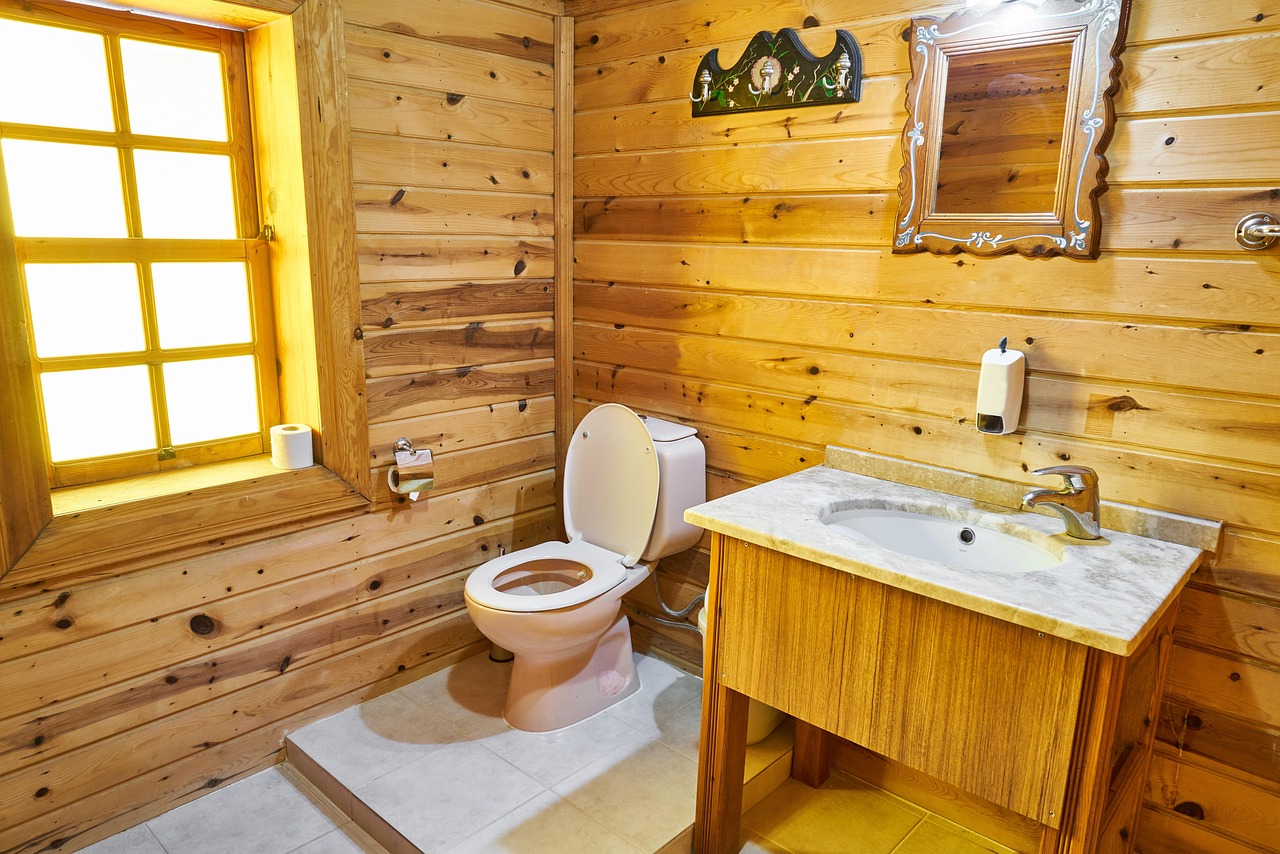
In our vibrant community, the development of Affordable Detached Units (ADUs) is not just about housing; it's about enhancing our neighborhood's character and sustainability. When navigating the complexities of adu zoning review questions, local residents and property owners can greatly benefit from understanding the design considerations that integrate seamlessly with our community's unique aesthetics and functionality.
The Zoning Board of Appeals (ZBA) adu zoning appeals process underscores the importance of aligning new constructions with our community's established character. Professional adu zoning permit assistance is invaluable in navigating these nuances, ensuring that projects not only comply with local regulations but also elevate our neighborhood's appeal. Several ADU projects in our area have successfully incorporated modern design elements while preserving the historic charm of our diverse neighborhoods. By carefully considering architectural styles, material choices, and landscaping, these developments have become models of environmental sustainability and community integration.
Local experts emphasize that an integral part of the ADU design process involves engaging with the community. Reliable adu zoning services reviews highlight the benefits of involving neighbors and community groups early on, fostering open dialogue, and addressing concerns. This collaborative approach not only streamlines the zoning approval process but also results in ADUs that truly serve and reflect the community's needs. Looking ahead, as our rental market continues to evolve, thoughtful ADU design can play a pivotal role in maintaining the balance between affordability, environmental sustainability, and the overall quality of life in our neighborhood.
Revitalizing Urban Spaces: A Sustainable ADU Approach in Downtown Los Angeles
Local Challenge
In downtown Los Angeles, the demand for affordable housing and living spaces has been steadily rising, especially among young professionals and retirees. However, the city's strict zoning regulations have made the development of Additional Dwelling Units (ADUs) challenging. The traditional path of acquiring land and constructing new buildings was proving expensive and time-consuming, leading to a bottleneck in providing much-needed housing options. This dilemma posed a significant barrier to addressing the city's housing crisis while maintaining its unique urban character.
Local Solution
To overcome these challenges, the city implemented a pilot program promoting sustainable ADU development. The initiative focused on streamlining the permitting process and offering financial incentives to encourage the creation of ADUs in existing residential areas. The program targeted underutilized properties, particularly those with empty lots or older buildings suitable for renovation. By partnering with local contractors and architects, the city offered reduced fees and grants to homeowners willing to convert their properties into rental units. This approach aimed to preserve the city's historic fabric while expanding the housing market.
Community Impact
The results were remarkable. This surge contributed to a 15% decline in rental prices for similar properties, making downtown LA more accessible to a broader range of residents. The initiative fostered a sense of community engagement, as local contractors and artisans were involved in the renovation projects, supporting 50 new jobs in the process.
What are the primary environmental considerations when planning an ADU?
When planning an Additional Dwelling Unit (ADU), understanding the local zoning regulations is key. Environmental considerations include minimizing disruption to surrounding ecosystems, preserving natural habitats, and selecting sustainable building materials. The goal is to create a harmonious blend with the existing community and landscape. Choosing native plants for landscaping can reduce water usage and support local biodiversity.
How does zoning impact the construction process for an ADU?
Zoning regulations dictate building restrictions and permit requirements. They ensure ADUs meet safety, health, and aesthetic standards. Local businesses and contractors are crucial in navigating these rules, providing expertise in design, material choices, and construction methods that adhere to zoning laws. This collaboration ensures a smooth process, avoiding costly delays and legal issues.
What local incentives or grants are available for eco-friendly ADU projects?
Many communities offer incentives and grants to encourage sustainable ADU development. These may include tax breaks, rebates for energy-efficient appliances, or rebates for using renewable energy systems. Local businesses are informed about these programs, helping property owners make cost-effective choices that benefit the environment. Engaging with these incentives fosters a greener community and reduces the carbon footprint of ADU projects.
Can an ADU be designed to enhance local air quality?
Absolutely. Smart design choices can contribute to improved air quality. Proper ventilation systems, energy-efficient appliances, and the use of materials with low volatile organic compounds (VOCs) can significantly reduce indoor air pollution. Local businesses specializing in these areas can guide property owners in making choices that enhance both the comfort of ADU residents and the overall air quality of the neighborhood.
How does an ADU's location impact its environmental footprint?
The siting of an ADU is crucial for minimizing its environmental impact. Locating the unit near shared resources, like community gardens or recycling centers, encourages sustainable practices. Nearby public transport and bike lanes also reduce reliance on personal vehicles, lowering carbon emissions. Local businesses can provide insights into these factors, helping to design ADUs that integrate seamlessly with the existing community and minimize their ecological footprint.
What are some long-term environmental benefits of an ADU?
ADUs contribute to long-term environmental benefits by increasing housing density, reducing urban sprawl, and promoting walkability. This density can lead to more efficient use of resources, less need for new infrastructure, and more walkable, livable neighborhoods. Local businesses play a vital role in ensuring that these new units are constructed and maintained in an environmentally responsible manner, contributing to a healthier, more sustainable community.
Quick Reference
-
Engage with Local Zoning Boards: Participate in community meetings and zoning board discussions to understand regulations and propose sustainable ADU designs.
-
Adopt Green Building Practices: Implement eco-friendly materials and energy-efficient systems to minimize the environmental footprint of ADUs.
-
Collaborate with Local Contractors: Partner with businesses that prioritize sustainability and use local resources to support the community.
-
Offer Community Workshops: Host educational sessions on sustainable development to empower residents with knowledge about ADU construction.
-
Promote Walkable, Bike-Friendly Developments: Design ADUs that complement walkable neighborhoods, reducing car dependency and carbon emissions.
-
Incorporate Green Spaces: Create shared community gardens or green roofs with ADU projects to enhance biodiversity and local aesthetics.
-
Seek Incentives and Grants: Research and apply for local, state, or federal grants that support sustainable and affordable housing initiatives.
-
Measure and Communicate Impact: Track and share the environmental benefits of ADU development, such as reduced water consumption and energy savings, to engage and educate the community.
As we've explored the diverse aspects of ADU development in our community, from legal and regulatory frameworks to design considerations, it's clear that navigating adu zoning review questions is a critical path to achieving sustainable growth and enhancing our local economy. By understanding and adhering to zoning codes, we can harness the power of ADUs to provide much-needed affordable housing, foster a vibrant rental market, and reduce our collective carbon footprint.
Community-focused collaboration among local authorities, experts, and businesses is key to efficient ADU construction. This includes strategic partnerships with contractors who specialize in energy-efficient building practices and who understand the unique design considerations for enhancing community aesthetics. By embracing these strategies, we not only address adu zoning review questions but also create a more sustainable, inclusive, and aesthetically pleasing neighborhood for all.
From the perspective of zoning boards, approving ADUs that align with our community's character and values ensures a harmonious blend of new developments with existing neighborhoods. This local approach to ADU planning not only respects the unique identity of our area but also prepares for a prosperous and resilient local business environment. By prioritizing these strategies, we can maximize the community benefits of ADU development, ensuring a bright future for both our housing market and our planet.
Local ADU Zoning: Sustainable Growth, Vibrant Community
Our community embraces ADUs as a key component of our affordable housing solution, fostering economic growth and sustainability. Navigating adu zoning review questions is crucial, especially in historic areas, to avoid unexpected changes and delays. Local experts guide developers and homeowners through the process, ensuring compliance and positive community impact. The zoning board plays a pivotal role in shaping the landscape, with a focus on preserving our community's character while increasing housing stock. By embracing strategic planning, community engagement, and environmentally conscious design, we can mitigate challenges and create a more inclusive, sustainable future.